English-only product shell
Adding locales later often forces route, metadata, and navigation rewrites.
Feature / i18n
BunShip includes locale-aware routing and bilingual content foundations so teams can launch in multiple languages without rebuilding the site map, docs center, and core product shells later.
2
English and Chinese are already present across the product surface.
3
Marketing pages, docs pages, and core product flows share one locale model.
SEO-ready
Localized URLs and metadata infrastructure are already part of the app.
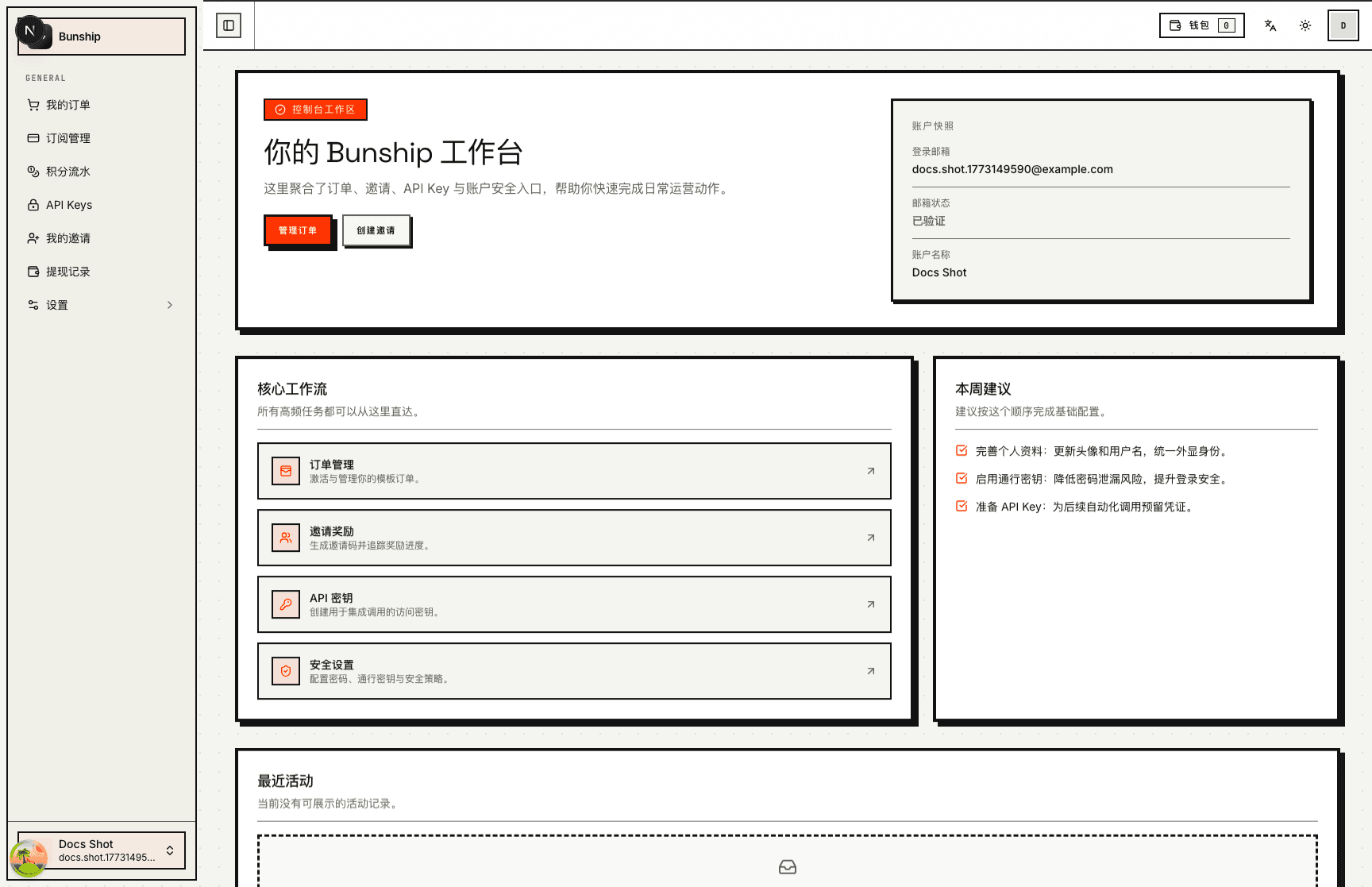
Internationalization is visible in the product shell, not hidden in a future roadmap note.
Multilingual products fail when localization gets deferred until after launch and SEO structure has already fragmented.
Adding locales later often forces route, metadata, and navigation rewrites.
If docs and marketing do not share the same locale model, international expansion becomes harder to maintain.
Teams often create too many thin i18n pages instead of one clear multilingual feature page and focused docs.
This page should stay focused on the multilingual product foundation rather than fragmenting into thin SEO subpages.
Marketing, docs, and product pages are already organized under a consistent locale path strategy.
The docs center already handles multilingual documentation content.
Localized metadata and alternate paths are part of the SEO implementation, not an afterthought.
For indie hackers, startups, and agencies, i18n is usually a distribution and conversion multiplier rather than a purely technical feature.
Localized routes and content foundations make expansion more credible and easier to execute.
The same product architecture can support marketing, docs, and future blog growth across locales.
Teams do not need to rebuild route structure after the product already has traffic.
Use docs and deployment pages for the deeper technical and operational questions.
Useful for teams selling globally or serving clients in more than one language from the start.
Start with a bilingual product shell instead of postponing international reach until later.
Reuse a route and metadata model that already accounts for multilingual delivery.
Keep product and documentation localization aligned as the product grows.
This page should answer the product-level i18n questions while tutorials and long tails live elsewhere.
Next step
Read the implementation docs or continue evaluating BunShip through pricing and architecture pages.